



Buying, selling, or renting property in India is a significant financial step. While most people pay close attention to costs like property value, registration fees, and taxes, one expense that is often missed is the broker’s commission.This charge can catch people off guard, especially at the final stage of a deal. Whether you are purchasing your first home, trying to sell a property at the best price, or looking for a rental, having a clear understanding of real estate broker commission rates in India is very important.Broker fees can have a noticeable impact on your overall budget. Since there are no strict regulations governing these charges, the commission can vary depending on factors such as the city, type of property, and your ability to negotiate.In this comprehensive guide, you will learn everything about broker commissions in India—from common rates and who pays them to practical tips for negotiating better deals. This will help you make informed and confident property decisions.
What Is a Real Estate Broker Commission?
A Real Estate Broker Commission Rates in India is the amount paid to a property agent for their role in completing a real estate deal. This could involve buying, selling, or renting a property.
Brokers serve as a link between buyers and sellers or landlords and tenants. Their role is to make the entire process easier and more efficient by:
-
Finding properties that match your needs
-
Organizing site visits
-
Helping with price negotiations
-
Managing documentation
-
Assisting with legal procedures
In exchange for these services, brokers charge a commission. For property sales, this fee is usually a percentage of the total property value. In rental agreements, it is commonly based on a portion of the monthly rent.
Since real estate transactions can be complicated and require local expertise, many people depend on brokers to navigate the process smoothly.

Broker vs Agent: Understanding the Difference
In the Indian real estate market, the terms “broker” and “agent” are often used as if they mean the same thing. However, there is a small but important difference between the two.
A real estate agent usually works under a broker and handles everyday activities such as listing properties, communicating with clients, and arranging site visits.
A Real Estate Broker Commission Rates in India, in contrast, typically operates independently or manages a group of agents. Brokers are more involved in key aspects of the deal, including negotiations, closing agreements, and overseeing the entire transaction process.
That said, in most property transactions across India, this distinction is not strictly followed. Both agents and brokers are commonly referred to as brokers, and the fee they charge is generally known as a broker commission or agent fee.
How Broker Commission Works in India
Standard Commission Rates
In India, there is no single authority that fixes real estate broker commission rates. However, common industry practices provide a general guideline for what is typically charged:
-
Residential property sales: Around 1% to 2% of the property’s value from both the buyer and the seller
-
Commercial property sales: Usually between 2% and 5%, depending on the size and complexity of the deal
-
Residential rentals: Typically equivalent to one month’s rent, often paid by the tenant
-
Commercial rentals: Generally one to two months’ rent or a percentage of the lease amount
These figures act as a reference point, but actual commissions can vary based on factors like location, property demand, and negotiation.
Who Pays the Broker Commission?
Property Sale Transactions
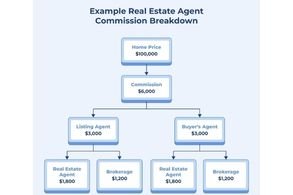
In most property sale deals in India, both the buyer and the seller pay a commission to the broker. If a single broker is handling both sides of the transaction, they may charge each party separately.
For instance:
-
Property price: ₹1 crore
-
Commission rate: 1% from the buyer + 1% from the seller
-
Total broker earnings: ₹2 lakh
Rental Transactions
The commission structure for rental agreements works a bit differently:
-
Tenants usually pay an amount equal to one month’s rent as commission
-
In some cases, landlords may share or fully cover the broker fee
-
For commercial rentals, the cost may be split between both parties, depending on the agreement
When Is the Commission Paid?
For Property Sales
-
Commission is typically paid after signing the Agreement to Sell
-
Partial payment may be requested during booking or token stage
-
Full payment is usually completed before or during property registration
For Rentals
-
Commission is paid after signing the rental agreement
-
Often paid when possession or keys are handed over
Important Tip: Never pay the full commission in advance without proper documentation or confirmation of the deal.

Factors That Influence Broker Commission Rates
1. Location
Commission rates vary significantly based on location. Metro cities like Mumbai, Delhi, and Bengaluru generally have higher rates compared to Tier-2 and Tier-3 cities.
2. Property Type
Luxury properties, commercial spaces, and investment deals often involve higher commissions due to their complexity and higher value.
3. Property Value
Higher-value properties may attract slightly lower percentage rates but still result in higher absolute commission amounts.
4. Broker Experience
Experienced brokers with strong networks and market knowledge may charge higher fees due to their expertise and reliability.
5. Services Offered
Some brokers provide additional services such as:
-
Legal documentation
-
Property valuation
-
Loan assistance
-
Registration support
More comprehensive services often justify higher commissions.
6. Market Conditions
In a buyer’s market, brokers may reduce their fees to close deals quickly. In a seller’s market, they may stick to higher rates.
Types of Commission Structures
Percentage-Based Commission
This is the most common model where the broker charges a percentage of the transaction value.
Advantages:
-
Easy to calculate
-
Scales with property value
Disadvantages:
-
Can be expensive for high-value properties
Fixed Fee Structure
In some cases, brokers charge a fixed amount regardless of property value.
Advantages:
-
Predictable cost
-
Suitable for smaller transactions
Disadvantages:
-
May not reflect the effort required
Slab-Based Commission
Here, the commission rate changes based on the property value range.
Example:
-
Up to ₹50 lakh: 2%
-
₹50 lakh to ₹1 crore: 1.5%
-
Above ₹1 crore: 1%
Service-Based Commission
Some brokers include additional services in their commission, such as legal assistance and documentation.
This model is useful for first-time buyers who need end-to-end support.
Region-Wise Commission Trends in India
Different cities follow slightly different commission practices:
-
Mumbai: 1–2% for sales, one month’s rent for rentals
-
Delhi NCR: 1–2%, rentals may vary between 15 days to one month’s rent
-
Bengaluru: Around 1–1.5% for sales
-
Pune: Similar to Mumbai, tenant usually pays one month’s rent
-
Tier-2 cities: Highly negotiable, often lower
Smaller cities generally offer more flexibility in negotiations.
Broker vs Online Property Platforms
With the growth of digital platforms, many buyers and sellers consider skipping brokers altogether.
Brokers Offer:
-
Personal guidance
-
Property visits
-
Negotiation support
-
Legal assistance
Online Platforms Offer:
-
Lower cost
-
Property listings
-
Limited support
While online platforms may reduce costs, they lack the expertise and hands-on assistance that brokers provide.
Advantages of Hiring a Broker
Working with a broker can provide several benefits:
-
Access to off-market properties
-
Better price negotiation
-
Time-saving property search
-
Guidance through legal processes
-
Reduced risk of fraud
For many buyers and sellers, the value added by a broker outweighs the commission cost.
Risks of Not Using a Broker
Avoiding a broker may save money initially, but it comes with risks:
-
Limited market knowledge
-
Difficulty in price negotiation
-
Legal complications
-
Higher chances of fraud
-
Time-consuming process
For complex transactions, professional assistance can be extremely valuable.
Tips to Avoid Overpaying Commission
-
Always discuss commission before starting
-
Get the agreement in writing
-
Compare multiple brokers
-
Verify RERA registration
-
Negotiate, especially for high-value deals
-
Understand what services are included
Being proactive can help you save a significant amount.
Legal and Ethical Considerations
-
Work with registered and verified brokers
-
Avoid cash payments without receipts
-
Ensure transparency in terms and conditions
-
Be cautious of unusually high or unclear fees
These steps can protect you from disputes and fraud.
How to Choose the Right Broker
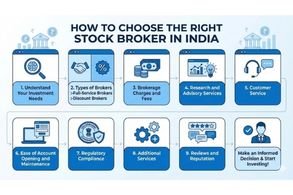
Finding the right real estate broker is just as important as negotiating the commission. A skilled and trustworthy broker can save you time, reduce stress, and help you secure the best deal. On the other hand, choosing the wrong one can lead to confusion, delays, and even financial loss.
When selecting a broker, it’s important to evaluate a few key factors:
✔ Experience in the Local Market
A broker with strong knowledge of your target area understands property trends, pricing, and demand. This helps in:
-
Finding the best deals quickly
-
Setting the right price for selling
-
Avoiding overpriced or risky properties
✔ Client Reviews and Reputation
Always check feedback from previous clients. Positive reviews often indicate:
-
Reliability
-
Professional behavior
-
Successful deal closures
You can look at online reviews, testimonials, or even ask the broker for references.
✔ Transparency in Charges
A professional broker should clearly explain:
-
Their commission rate
-
Any additional charges
-
Payment structure
Avoid brokers who are vague about pricing, as hidden costs can increase your overall expenses.
✔ Communication Skills
Good communication is crucial in real estate transactions. A reliable broker should:
-
Respond quickly to your queries
-
Keep you updated on progress
-
Explain terms and conditions clearly
✔ Professional Approach
Look for brokers who maintain a professional attitude. This includes:
-
Proper documentation handling
-
Ethical practices
-
Respect for timelines
Choosing the right broker ensures that your property journey is smooth, efficient, and hassle-free.
Future Trends in Broker Commissions
Here are some key trends shaping the future:
📱 Growth of Digital Platforms
Online real estate platforms are becoming more popular. These platforms:
-
Allow buyers and sellers to connect directly
-
Offer property listings with detailed information
-
Reduce dependency on traditional brokers
This shift may lead to lower commission rates in some cases.
🔄 Hybrid Brokerage Models
Many brokers are now combining online and offline services. This means:
-
Digital property search tools
-
Physical site visits and negotiations
-
Faster and more efficient transactions
This hybrid approach offers convenience while maintaining personalized service.
🔍 Increased Transparency
Modern buyers and sellers demand clarity in pricing. As a result:
-
Brokers are becoming more open about their fees
-
Clear agreements are being prioritized
-
Hidden charges are gradually reducing
💰 Competitive Pricing
With more brokers entering the market, competition is increasing. This leads to:
-
Flexible commission rates
-
Better service quality
-
More negotiation opportunities for clients
📊 Standardization Over Time
Although there is no fixed regulation today, the market is gradually moving towards:
-
More consistent commission structures
-
Professional standards
-
Better accountability
Conclusion
Understanding real estate broker commission rates in India is crucial for anyone involved in property transactions. Since these charges are not governed by strict laws, they can vary depending on factors like location, property type, and the level of service provided.
Being informed is the best way to avoid unnecessary expenses. When you know the standard commission ranges and how they are calculated, you are in a stronger position to negotiate effectively.
Here are a few key takeaways:
-
Always research standard commission rates before entering a deal
-
Clearly discuss and finalize who will pay the commission
-
Compare multiple brokers before making a decision
-
Ensure all terms are documented to avoid misunderstandings
However, it’s equally important to:
-
Verify the broker’s credibility
-
Maintain transparency in agreements
-
Stay actively involved in the process
Frequently Asked Questions (FAQs)
Q. What are the typical real estate broker commission rates in India?
In most cases:
-
Residential sales: 1% to 2% of property value
-
Commercial deals: 2% to 5%
-
Rentals: One month’s rent
These rates can vary based on city and negotiation.
Q. Who is responsible for paying the broker commission?
-
In property sales, both buyers and sellers usually share the commission
-
In rental agreements, tenants commonly pay
-
In some cases, landlords may also contribute
Q. Can broker commission be negotiated?
Yes, broker fees are not fixed by law. You can negotiate based on:
-
Property value
-
Market conditions
-
Level of service provided
Q. What services are included in broker commission?
A broker typically offers:
-
Property search and shortlisting
-
Site visit arrangements
-
Price negotiation
-
Documentation support
-
Assistance with legal processes
Q. Is hiring a broker mandatory in India?
No, it is not compulsory to hire a broker. However, using a broker can:
-
Save time and effort
-
Reduce risks
-
Provide expert guidance


